
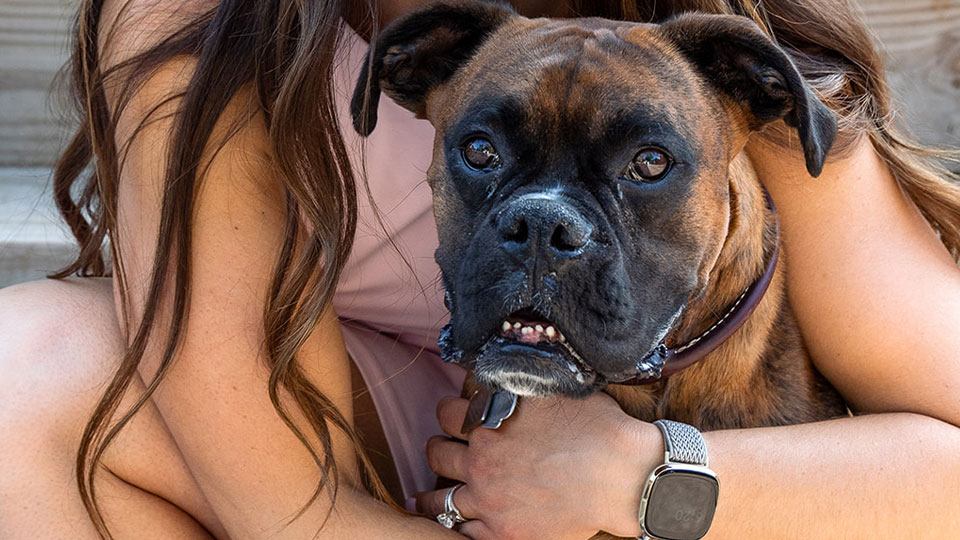
We already know that dogs help us feel calmer, more connected, and more present.
But did you know they may also help protect your brain health long-term?
A major study out of Japan followed over 11,000 adults and found something remarkable:
Dog owners had up to a 63% reduced risk of developing dementia.
Let that sink in.
Caring for a dog—and walking them regularly—may actually play a powerful role in keeping your brain healthier as you age.
Let’s break down why.
💪 The Dog Ownership + Exercise Connection
In the study, adults who owned dogs had a 40% lower risk of developing dementia compared to those who didn’t.
But when dog ownership was combined with regular physical activity, the benefits skyrocketed:
- 🧠 63% reduction in dementia risk for active dog owners
- 🤝 59% risk reduction for those with strong social connections and a dog
Clearly, it’s not just the cuddles—it’s the lifestyle dogs create that seems to make a difference.
🐕 Why Dogs (Not Just Pets) Make the Difference
You might wonder—why dogs, and not cats or other pets?
The answer lies in what dogs require from us:
✅ Daily physical activity
Walking your dog every day increases your own blood flow, boosts cardiovascular health, and supports the growth of new brain connections.
✅ Built-in daily structure
Feeding, walking, training, and caring for a dog creates predictable routines—an important factor in reducing cognitive decline.
✅ Social interaction
Dog owners are more likely to talk to neighbors, meet people at the park, or engage in casual conversations—natural ways to reduce loneliness, which is a known risk factor for dementia.
✅ Purposeful caregiving
Caring for a dog gives people a meaningful daily responsibility, which has been shown to improve mental and emotional wellbeing.
🧠 Movement Is Medicine—for Your Brain, Too
Physical movement isn’t just for the body—it helps the brain too.
- 🚶♀️ Walking increases oxygen flow and circulation to the brain
- 🧬 It encourages the formation of new neural pathways
- 🧘 It supports emotional regulation, reducing the impact of chronic stress on cognitive function
And the best part? Your dog doesn’t need to know the science.
They just need a leash and your company.
💬 What This Means for Dog Owners (and Future Dog Owners)
This research isn’t just encouraging—it’s empowering.
Your daily walk isn’t “just a walk.”
It’s building habits that support brain health, emotional regulation, physical fitness, and social connection.
If you’ve ever questioned the value of those daily routines—don’t.
Your dog might just be one of your most important wellness tools.
🎓 Want Support Building Healthy Routines With Your Dog?
Inside the FTH Online Pack, you’ll find:
- 📘 Tools to build daily structure and walk routines
- 🎥 Video lessons to teach calm leash walking
- 🧠 Tips for building mutual trust and companionship
- 💬 Weekly live coaching with Victoria
- 🐶 A community of owners building healthy, balanced relationships with their dogs
All for just $10 for your first month.
👉 Join now and start walking your way to a healthier, more connected life—with your dog.
Owning a dog is good for your heart—and your head.
So clip the leash, grab a few treats, and head out the door.
It’s not just good exercise—it’s brain care. 🐾